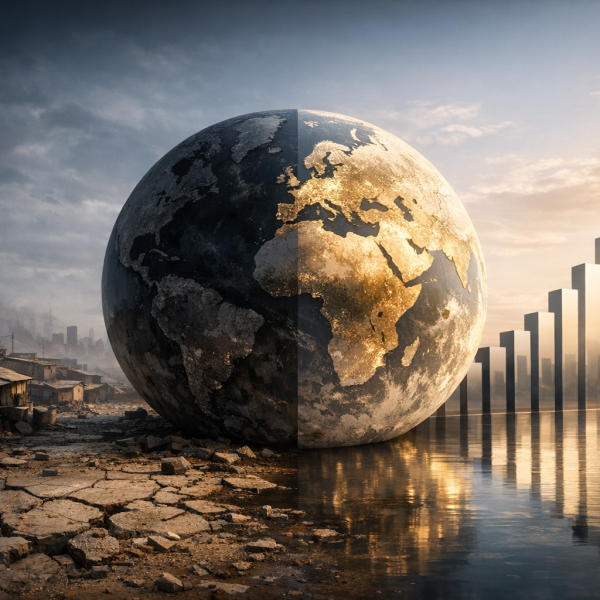
Climate change and global poverty are deeply interconnected crises shaping the future of our planet and its people. Rising temperatures, extreme weather, and environmental degradation do not impact everyone equally; they hit the poorest communities first and hardest. Understanding this intersection is essential for designing policies, technologies, and narratives that drive meaningful climate action while advancing social and economic justice.
Main Research: The Intersection Of Climate Change And Global Poverty
1. How Climate Change Deepens Existing Inequalities
Climate change magnifies existing inequalities by placing disproportionate pressure on vulnerable populations. Low-income communities often live in climate-sensitive regions, rely on natural resources for their livelihoods, and lack savings or insurance to recover from climate shocks. When droughts, floods, or storms strike, the poorest households lose more in relative terms and recover more slowly, pushing millions deeper into poverty.
2. Rural Livelihoods Under Threat
Agriculture remains the main source of income for many people living in poverty, especially in rural areas across Africa, Asia, and Latin America. Changes in rainfall patterns, soil erosion, and increasing temperatures reduce crop yields and harm livestock health. This not only cuts food supply for subsistence farmers but also lowers marketable surplus, reducing incomes. Over time, continual climate stress can drive rural communities to abandon their land, accelerating urban migration and informal settlement growth.
3. Climate Impacts on Health and Productivity
Climate change increases the spread of diseases like malaria and dengue, worsens air quality, and intensifies heat stress. Poor communities often have limited access to health care, clean water, and cooling infrastructure, amplifying the health burden. Illness and heat-related fatigue reduce labor productivity, which is critical for daily wage earners who cannot afford to miss work. Producing accurate, data-driven reports on these impacts is easier when teams use a modern cat tool that supports consistent terminology and multilingual communication for global audiences.
4. Urban Poverty and Climate Vulnerability
Urbanization is rising, and many low-income families live in informal settlements on floodplains, steep hillsides, or coastal zones. These areas typically lack robust infrastructure such as drainage, sewage, and durable housing. As sea levels rise and storms intensify, urban slums are at high risk of flooding, landslides, and storm damage. Without secure land tenure or financial resources, residents struggle to rebuild or relocate, locking them into a recurring cycle of loss and recovery.
5. Food Insecurity and Rising Prices
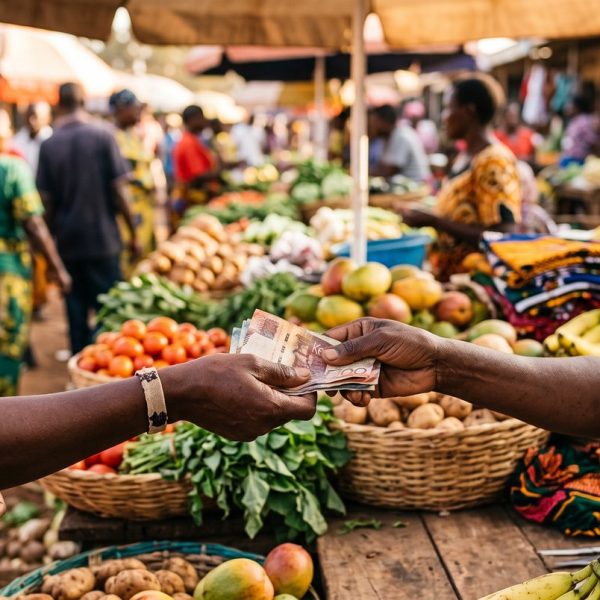
Climate-induced disruptions in food production and supply chains push up food prices, which disproportionately affects poor households that spend a large share of their income on basic staples. Crop failures in key producing regions can trigger global price spikes, making nutritious food even less affordable. In many developing countries, this leads to higher rates of child malnutrition, stunting, and long-term health issues, undermining human capital and future earning potential.
6. Water Scarcity and Competition for Resources
Changing rainfall patterns and melting glaciers disrupt freshwater availability, particularly in already water-stressed regions. Poor communities frequently depend on shared or informal water sources that are highly sensitive to climate variation. As scarcity grows, competition for water can fuel local conflicts, increase time spent on water collection, and reduce the time available for education or income-generating activities, especially for women and girls.
7. Displacement, Migration, and Climate Refugees
Climate-related disasters and slow-onset changes such as desertification, sea-level rise, and salinization of farmland are driving people from their homes. Displacement can be temporary or permanent, internal or cross-border, but it almost always intensifies poverty risks. Climate migrants often lose access to land, social networks, and social services, and they may face discrimination or legal barriers in host communities. Fragile states are particularly vulnerable, where climate pressures can exacerbate conflict and instability.
8. Education Disruptions and Intergenerational Poverty
When disasters strike, schools are often damaged or used as emergency shelters, interrupting education. Children from poor families are more likely to drop out permanently as families prioritize immediate survival over schooling. Climate shocks can also force children into labor to supplement household income. These disruptions reduce future earning power and entrench intergenerational poverty, making adaptation and resilience investments even more critical.
9. Climate Finance Gaps and Unequal Access to Resources
Although climate finance commitments have grown, funding often does not reach the communities that need it most. Large infrastructure projects may bypass smallholders, informal workers, or marginalized groups. Barriers such as complex application processes, limited local capacity, and weak governance prevent vulnerable communities from accessing funds for adaptation projects, resilient infrastructure, and livelihood diversification.
10. Gender Dimensions of Climate and Poverty
Women in low-income settings bear a disproportionate burden from climate change due to gendered roles in water collection, agriculture, and caregiving. They often have less access to land rights, credit, and training, making adaptation harder. At the same time, evidence shows that empowering women with resources, leadership roles, and education leads to more effective climate solutions and better household resilience.
11. Inclusive Climate Policies as Anti-Poverty Tools
Climate policies can either exacerbate or alleviate poverty depending on their design. Carbon taxes without safeguards can raise energy costs for the poor, whereas well-designed measures can use carbon revenues to fund social protection, clean energy access, and job training. Adaptation strategies that prioritize climate-vulnerable communities, such as small-scale irrigation, mangrove restoration, or climate-resilient housing, can reduce poverty risks while protecting ecosystems.
12. Just Transitions and Green Jobs
The shift to low-carbon economies must be a just transition that creates decent work and protects workers whose jobs are tied to fossil fuels. Investments in renewable energy, sustainable agriculture, green construction, and circular economy models can generate millions of jobs globally. To ensure that people living in poverty benefit, education, skills training, and access to finance must focus on marginalized groups, youth, and women.
13. Technology, Data, and Storytelling for Climate Justice
Digital tools, satellite data, and community-driven mapping are helping identify climate risks and target resources more precisely. At the same time, translation and communication technologies are critical to ensure that research, policies, and climate adaptation guidance are accessible worldwide. When stories of frontline communities are shared widely and accurately, they influence decision-makers, attract funding, and shape more equitable climate strategies.
Conclusion: Tackling Climate Change and Poverty Together
The intersection of climate change and global poverty demands integrated solutions that address environmental and social challenges simultaneously. Policies that reduce emissions must also strengthen resilience, create inclusive economic opportunities, and protect human rights. By centering vulnerable communities in climate planning, investing in adaptation, and promoting just transitions, the world can move toward a future where climate action and poverty reduction reinforce each other instead of competing priorities.